

6 Steps to Fix Any GoPro SD Card Error


A GoPro SD card error can show up in several ways. Your camera may display SD ERR / SD ERROR or NO SD, fail to detect the card, stop recording unexpectedly, report that the card is full, or leave you with videos that can’t be opened. In some cases, the card works at lower recording settings but starts causing problems when you switch to a higher resolution or frame rate.
These symptoms don’t automatically mean that your microSD card is corrupted. The cause could be an incompatible or insufficiently fast card, incorrect insertion, dirty or damaged contacts, a full or failing card, file-system corruption, or a problem with the camera firmware. The right way to fix an SD card error on GoPro therefore depends on what your camera is actually doing. In this guide, we’ll walk you through the most common causes and troubleshooting steps for GoPro cameras, including current models such as the HERO13 Black, HERO12 Black, and MAX2.
What Do GoPro SD Card Errors Mean?
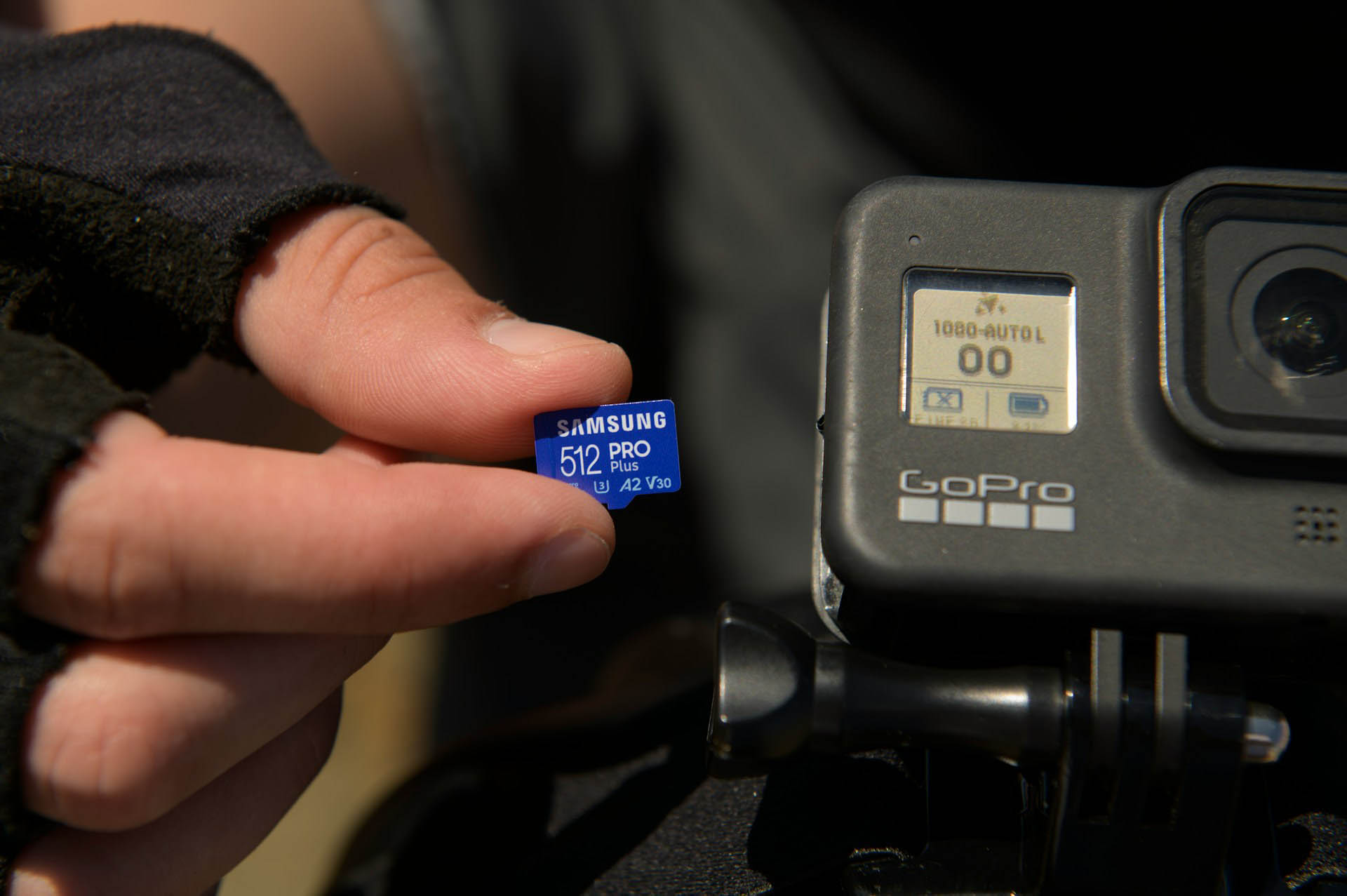
An SD card error on GoPro doesn’t always point to the same problem. The message on the screen and the circumstances in which it appears can help you narrow down whether you’re dealing with a detection issue, an incompatible card, insufficient write performance, file-system corruption, or a failing microSD card.
SD ERR / SD ERROR
An SD ERR or SD ERROR means your GoPro can’t properly communicate with or use the microSD card. This can happen when the card isn’t suitable for your camera, its file system is corrupted, the card is beginning to fail, or it can’t maintain the write speed required for the recording settings you’re using. A temporary communication problem between the camera and card can also trigger the error.
NO SD
The NO SD message means that your GoPro isn’t detecting a usable microSD card. The card may not be fully inserted, its contacts may be dirty or damaged, or the card itself may be incompatible or failing. In some cases, the camera may also have trouble detecting a card because of its current formatting or a problem with the card slot.
SD FULL
An SD FULL message means that your GoPro believes there isn’t enough available space on the card to continue recording. The card may simply be full, but storage or file-system issues can sometimes produce similar symptoms.
Recording Stops or the Card Fails at High Settings
Sometimes there’s no permanent error message at all. Your GoPro may record normally at lower settings but stop recording or display an SD card error when you switch to a higher resolution or frame rate.
This can indicate that the microSD card can’t sustain the write performance required by the more demanding recording mode. Comparing recordings at lower and higher settings can help identify this problem. If errors occur only at high-performance settings, testing a GoPro-recommended microSD card is a good next step.
Here’s a quick way to match the error or symptom with what you should check first:
| Error / Symptom | Likely Direction | First Check |
| SD ERR / SD ERROR | Compatibility, speed, corruption, or failing card | Protect existing footage and check card compatibility |
| NO SD | Detection, insertion, or card issue | Reinsert the card and test another compatible card |
| SD FULL | Card is full or there’s a storage/file-system issue | Check existing files and available space |
| Recording stops at high settings | Card may not sustain the required write speed | Test a GoPro-recommended card |
| Card works on a PC but not in GoPro | Formatting, compatibility, or firmware issue | Back up the data, update the camera, then format the card in-camera if needed |
| Card isn’t readable on GoPro or a computer | File-system corruption or card failure | If the card is still detectable, recover or image the data before attempting repair |
These distinctions are important because the correct fix depends on the type of GoPro SD card error you’re dealing with. In particular, don’t jump straight to CHKDSK or formatting when the card contains inaccessible footage you still need. Both can modify the card, so data recovery or creating an image should come first.
Recover Important GoPro Footage Before Fixing the SD Card
Before you attempt to repair a GoPro SD card, consider whether there’s any footage on it that you still need. Data recovery should come before CHKDSK or formatting if photos or videos have disappeared, the card asks to be formatted, files can’t be accessed, the card appears corrupted, or the error started after an interrupted recording. Both CHKDSK and formatting can modify the card, which may affect your chances of recovering the original data.
However, not all data recovery tools are created equal. Our team at Pandora Recovery has tested multiple applications and recommends solutions based on factors such as scanning methods, file system and file format support, recovery performance, and ease of use.

After careful consideration, we’ve found Disk Drill to be the best choice for GoPro SD card recovery on Windows 10 and Windows 11. It currently holds the No. 1 position among the Windows data recovery solutions we’ve tested, with a score of 4.67/5 and a 93% recovery performance rating.
Disk Drill is particularly well suited to GoPro recovery because, in addition to its standard scanning methods, it includes Advanced Camera Recovery, which is designed to reconstruct fragmented video files from cameras and other recording devices. It can also create a byte-to-byte image of the microSD card, allowing you to work from a backup instead of repeatedly scanning the original card.
The Windows version lets you recover up to 100 MB for free, which may be enough for a small number of photos, while scanning and previewing recoverable files can help you assess the card before paying. This makes Disk Drill a practical option when you need to recover footage before attempting an SD card error fix. Here’s how it works:
- Before you start, remove the microSD card from your GoPro and connect it directly to your Windows computer through a card reader. Avoid using the GoPro itself as the connection when Disk Drill needs raw access to the memory card.
- Download the free version of Disk Drill for Windows from its official website. The free version lets you recover up to 100 MB of data and preview an unlimited number of GoPro photos and videos.
- If the microSD card produces read errors, disconnects, or otherwise behaves unpredictably but is still readable, select Byte-to-byte Backup from the left panel and create an image of the card. Once it’s ready, perform the remaining recovery steps from the image rather than the original card.
- Find the GoPro card in Disk Drill’s list of storage devices, or load and select the byte-to-byte image you created. Click Search for lost data.
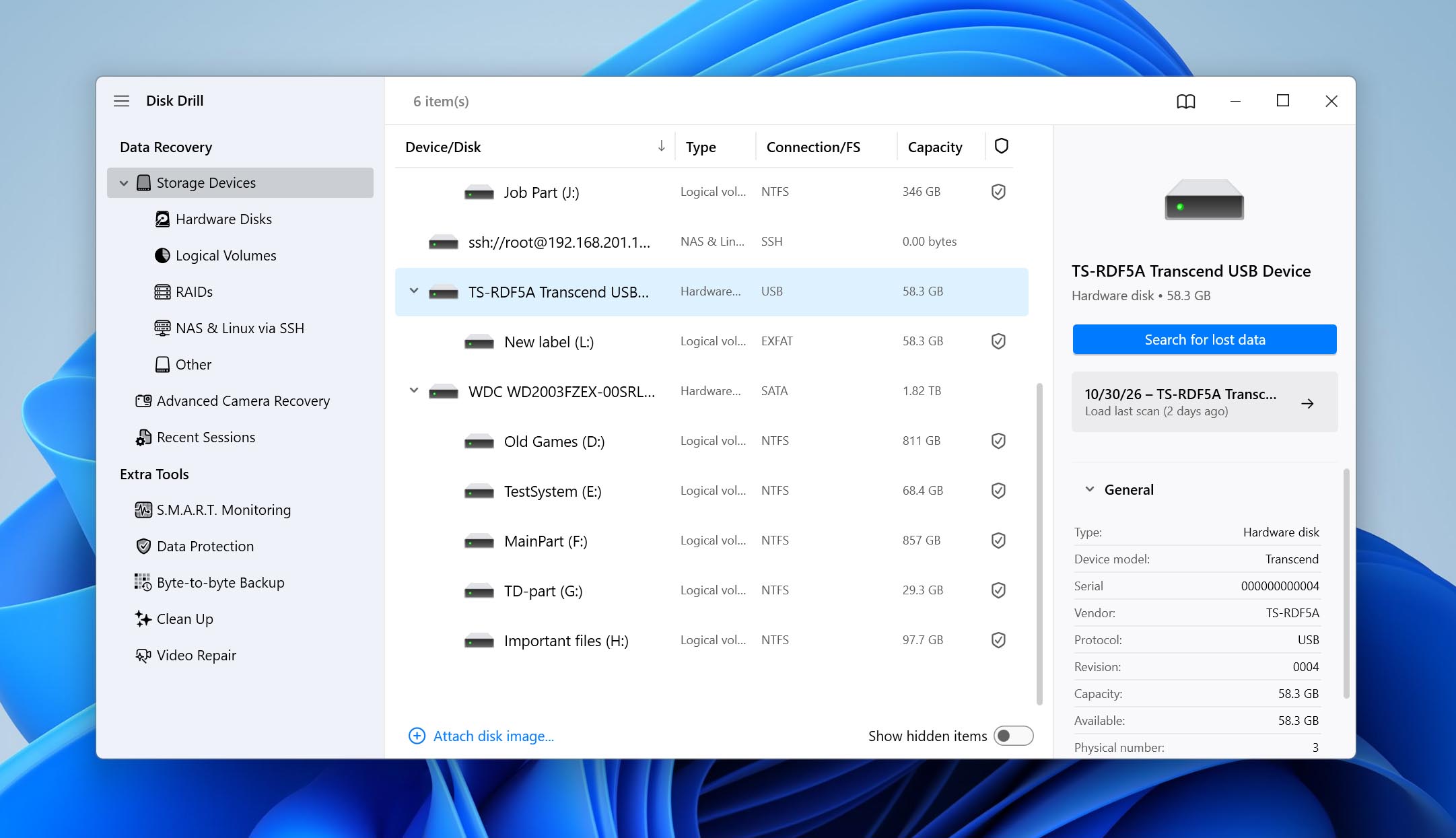
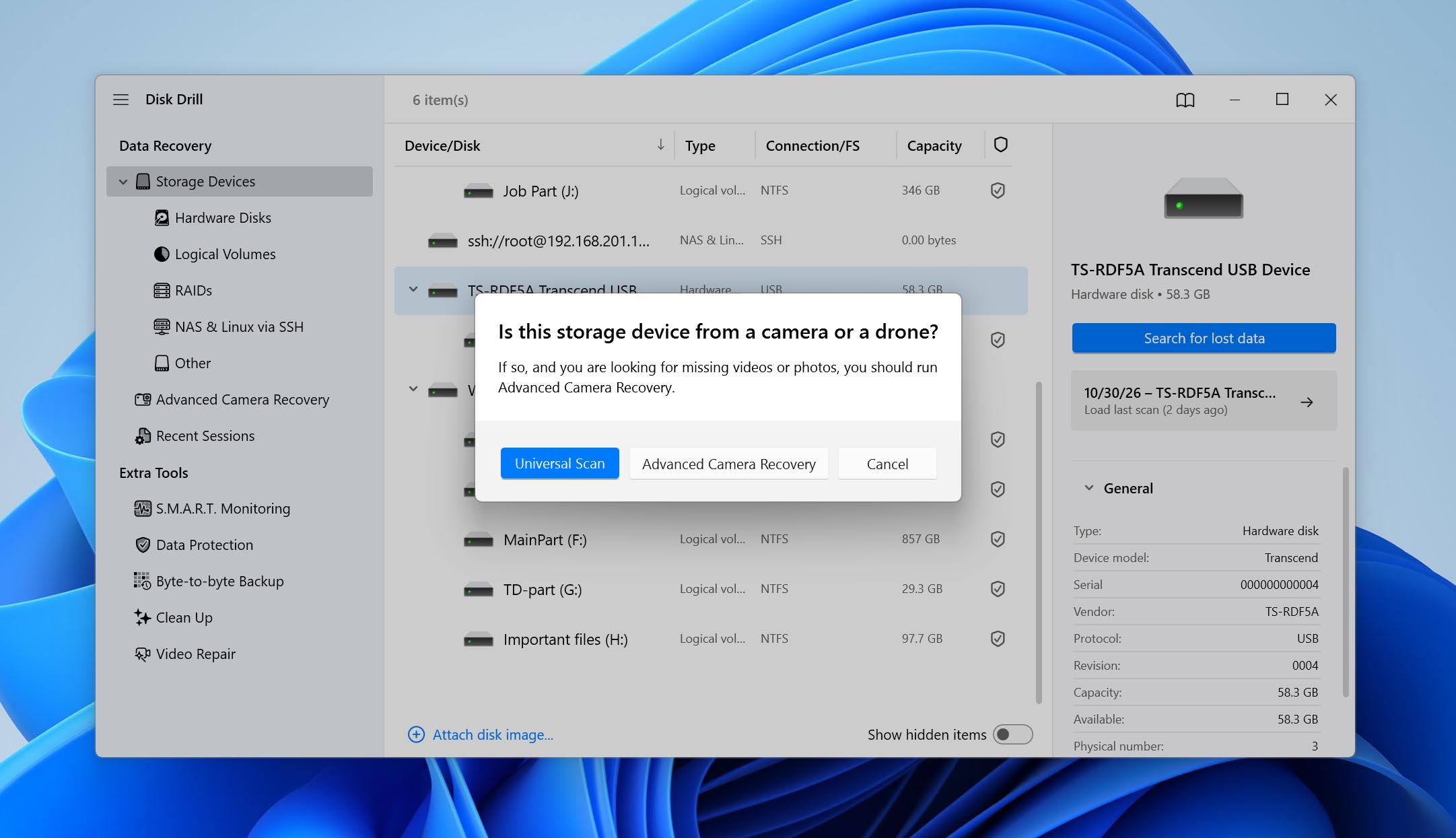
- Disk Drill will give you access to the available recovery methods. Use Universal Scan for general recovery, such as missing files or file-system corruption. For GoPro-recorded media, Advanced Camera Recovery is another option, particularly when the card was formatted or when standard recovery produces fragmented or unplayable video files.
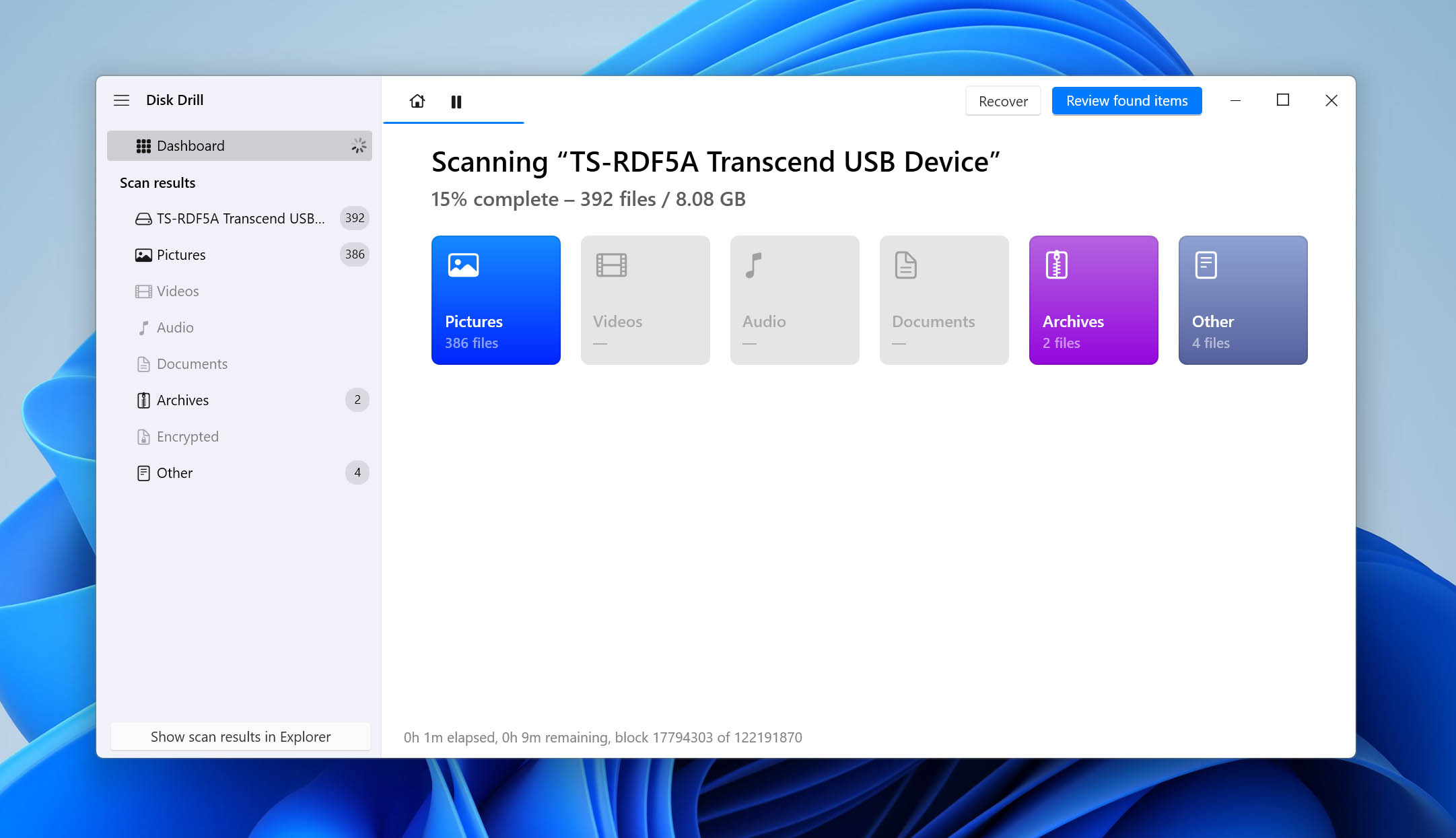
- Wait until Disk Drill is done scanning your GoPro memory card and then proceed to analyze the recoverable files.
- Select all GoPro photos and videos that you want to recover. Disk Drill automatically organizes scan results into three main sections (Existing, Deleted or lost, Reconstructed), so make sure to check each section. You can use the preview function to view the files before recovery, and there are also handy filters that can be used to display only pictures or videos, for example.
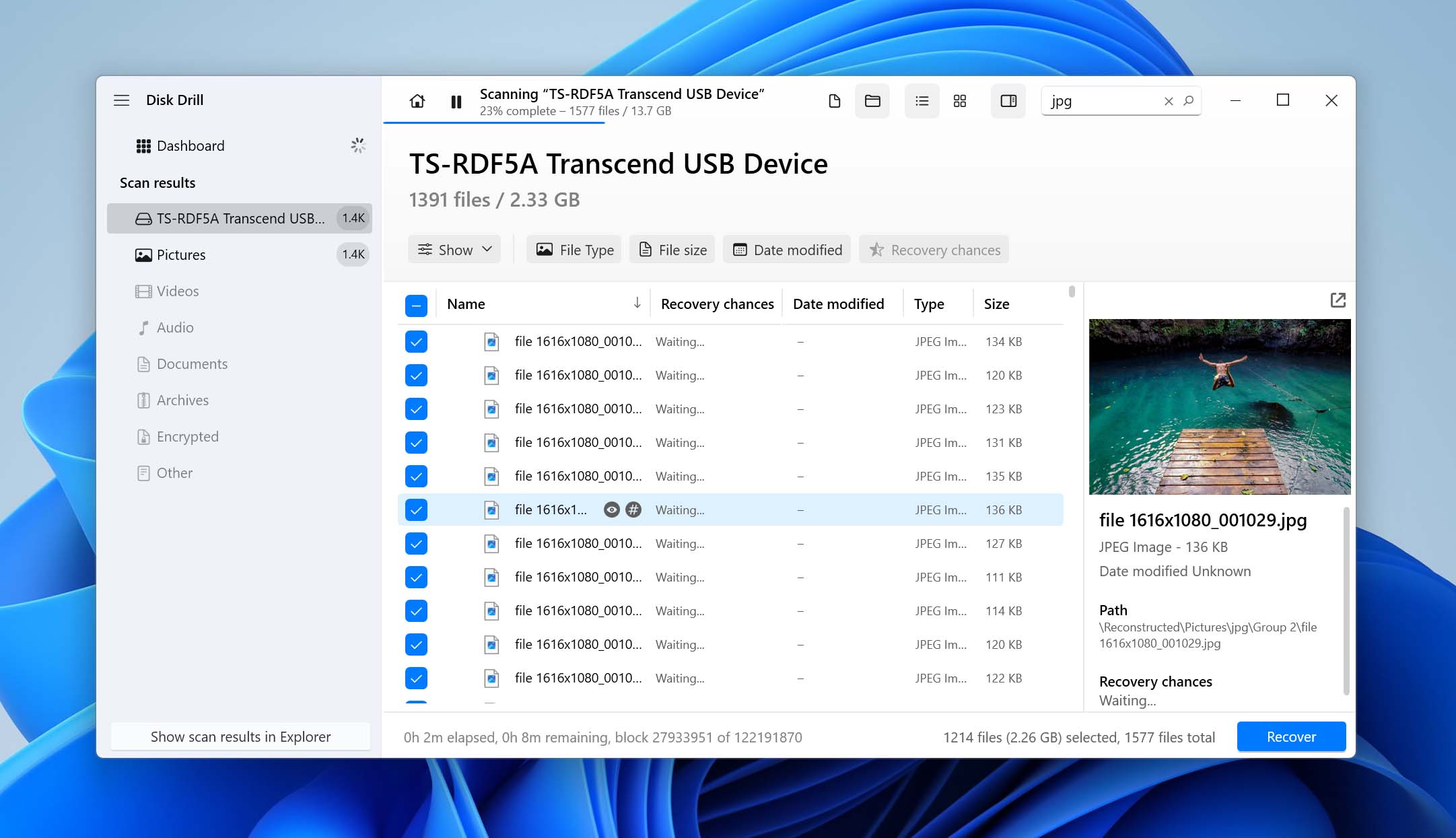
- Click the Recover button and choose a different drive as the recovery destination. Don’t save recovered media back to the GoPro microSD card because doing so could overwrite other recoverable data.
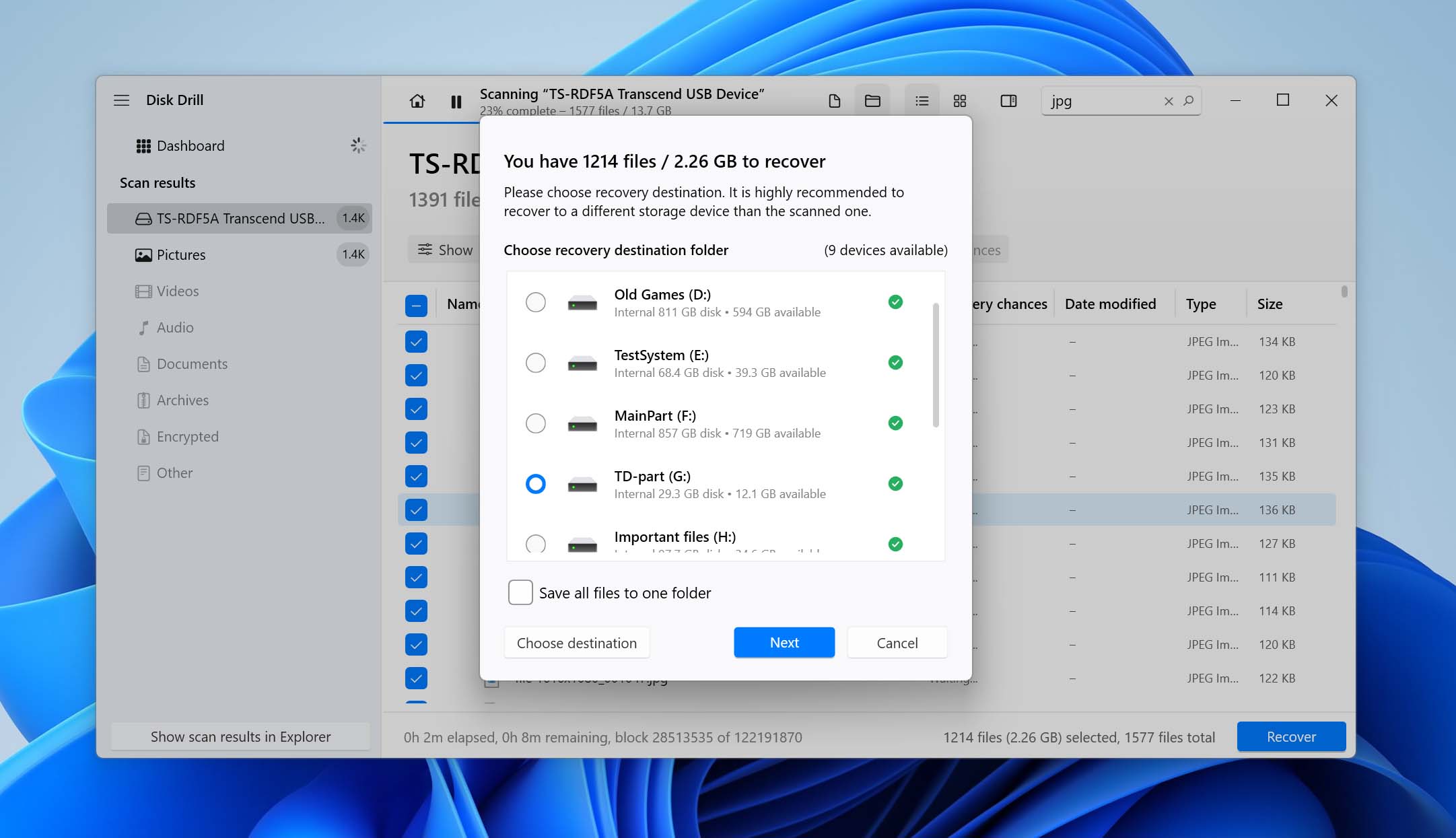
- Once recovery is complete, open several important photos and videos to make sure they work properly. Only after you’ve verified the recovered footage should you return to the original device and attempt SD card error fixes.
That’s how easily you can perform GoPro SD card recovery using Disk Drill!
How to Fix GoPro SD Card Error
Let’s explore our six-step guide that provides a roadmap for solving GoPro memory card errors at home. If you’ve lost any videos or photos due to these errors, you can check out our detailed guide on how to recover deleted GoPro videos and photos.
Step 1. Verify the Compatibility of the SD card
Your first step should be to check the exact GoPro model you’re using and make sure the microSD card meets its requirements. GoPro cameras differ in the types, capacities, and speed classes they support, so a card that works well in one model may not be suitable for another.
Start by checking GoPro’s current recommended microSD-card guidance for your camera. Verify whether the model supports microSD, microSDHC, or microSDXC cards, the required speed class, and the maximum supported capacity.
Keep in mind that capacity alone doesn’t tell you whether a card is fast enough for your recording settings. A high-capacity microSD card may still produce errors or stop recording if it can’t maintain the required write performance. This is particularly worth checking if your GoPro works normally at lower settings but shows an SD card error at higher resolutions or frame rates.
If you suspect compatibility or performance is the problem, test the camera with a card from GoPro’s current recommended list before assuming there’s something wrong with the camera itself.
Step 2. Inspect the microSD Card and Card Slot
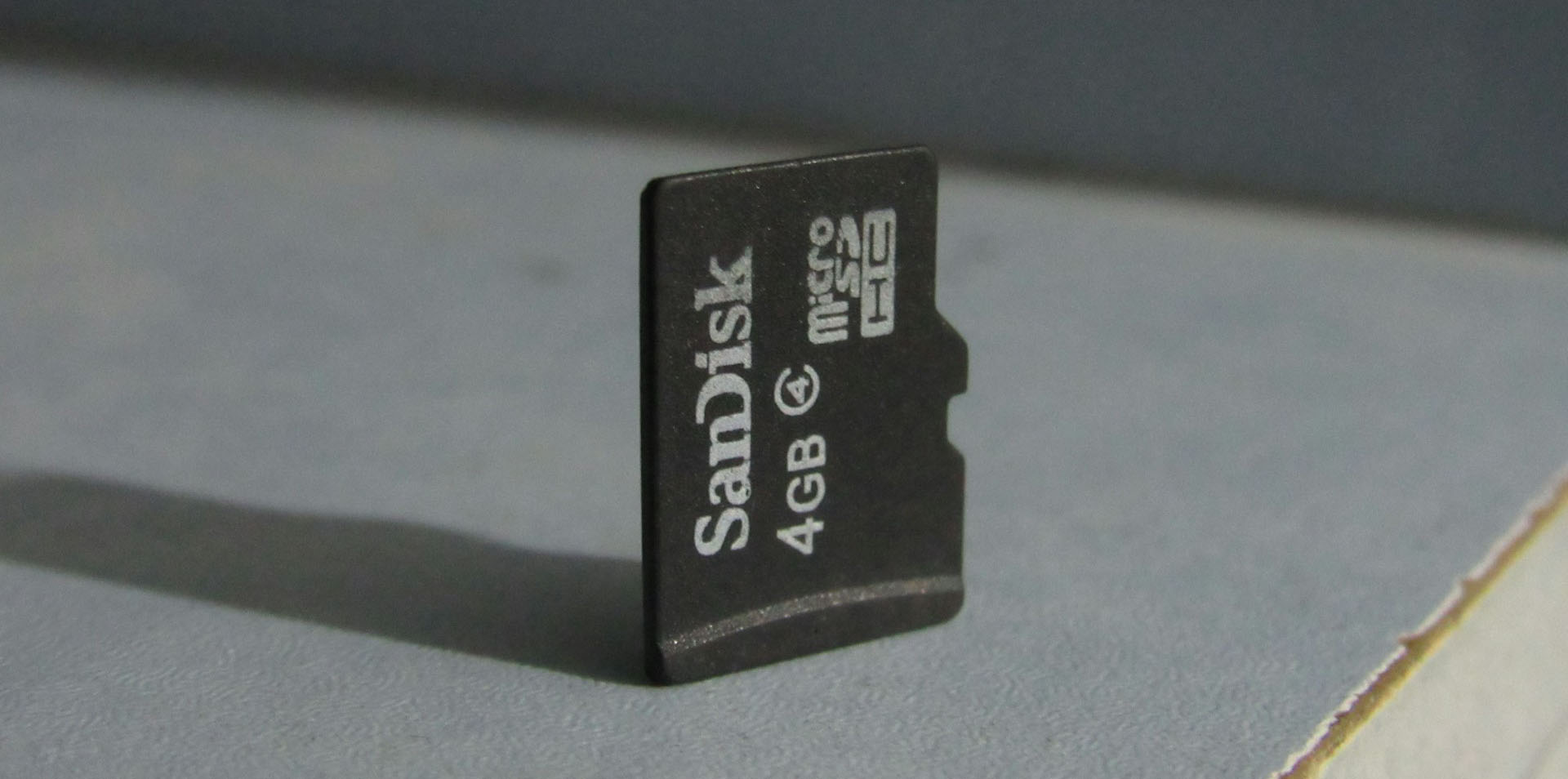
The physical condition of your microSD card can also cause a GoPro SD card error. Before inspecting it, power your GoPro off and carefully remove the card.
Start with the microSD card itself. Here’s what you should pay attention to:
- Card surface: Check the card for cracks, bends, chipped edges, or other visible damage. Also look for signs of heat or liquid damage.
- Metal contacts: Examine the exposed metal contacts for dirt, corrosion, or visible damage. Don’t scrape them or use aggressive cleaning methods, as this could cause further damage.
- GoPro card slot: Check the camera’s microSD card slot for debris, moisture, or visible damage that could prevent proper contact with the card.
Make sure both the camera and microSD card are completely dry before reinserting the card.
Step 3. Check If the SD Card Was Inserted Properly
An incorrectly inserted microSD card can prevent your GoPro from detecting it and result in a NO SD message. Before removing or inserting the card, turn the camera off. This is particularly important if the camera is recording or accessing the card, as interrupting an active write operation can corrupt data.
Follow these steps to check the connection:
- Turn your GoPro off before removing the microSD card. If your model requires the battery to be removed to access or insert the card, remove it as well.
- Remove the microSD card and inspect it for dirt or visible damage as described in the previous step.
- Check the correct insertion orientation for your specific GoPro model. Follow the markings on the camera or its manual rather than relying on one orientation for every GoPro. For example, GoPro instructs HERO13 Black users to insert the card with the label facing the battery compartment.
- Carefully insert the microSD card until it is fully seated in the slot.
- Close the camera, restart it, and check whether the card is now detected.
If NO SD remains, power the camera off and remove and reinsert the card once. If that doesn’t help, test a second known-good microSD card that meets the requirements for your GoPro model.
If the second card works normally, the original microSD card is the likely source of the problem. If multiple known-good compatible cards produce the same error, the camera or its card slot may need further investigation. In that situation, repeatedly reinserting or formatting the cards is unlikely to solve the underlying problem.
Step 4. Update GoPro Firmware
If your microSD card is compatible and inserted correctly but the error continues, the next step is to check your GoPro firmware. Firmware controls how the camera operates, and outdated or faulty firmware can sometimes cause compatibility or communication problems with microSD cards.
GoPro provides two main ways to update compatible cameras:
- Update with GoPro Quik. Install or open the GoPro Quik app on your smartphone, connect your camera, and check whether a firmware update is available. If Quik offers an update, follow the instructions in the app to install it.
- Update manually. If you can’t update through Quik or prefer a manual installation, visit GoPro’s official camera update page, select your camera model, and follow the provided instructions.
Whichever method you use, make sure the camera has sufficient battery power before you begin. Don’t remove the microSD card or battery while the firmware is being written. Your GoPro may restart during the process, which is a normal part of the update.
Once the update is complete, restart the camera, insert a known-good compatible microSD card, and test recording again. If SD ERR continues to appear with multiple GoPro-recommended cards, the problem may be with the camera or its card slot rather than the microSD cards themselves.
Step 5. Fix SD Card Using Error-Checking Tool
Even if your GoPro is up to date, and the microSD card is compatible and inserted properly, you might still come across SD card errors. The problem could be caused by file-system corruption. Certain logical file-system problems can be checked and repaired using a built-in Windows tool: CHKDSK (short for Check Disk).
This utility can first check the file-system integrity of a volume without attempting repairs. Follow these steps to put it to good use:
- Connect your GoPro microSD card directly to your Windows computer using an SD card reader.
- Open File Explorer and locate your microSD card. Check that Windows reports the expected capacity and assigns the card a drive letter (e.g., D:, E:, etc.).
- Launch the Command Prompt app as administrator. You can do this by typing cmd into the Windows search bar, then right-clicking Command Prompt and selecting Run as administrator.
- Type chkdsk X: in the Command Prompt window, replacing X: with the drive letter of your GoPro microSD card.
- Press Enter. Without a repair parameter, CHKDSK checks the file system and reports its status.
- If the card remains stable, Windows recognizes its FAT32 or exFAT file system, and your important files are already safe, type chkdsk X: /f. The /f parameter instructs CHKDSK to fix logical file-system errors it finds and will modify the volume.
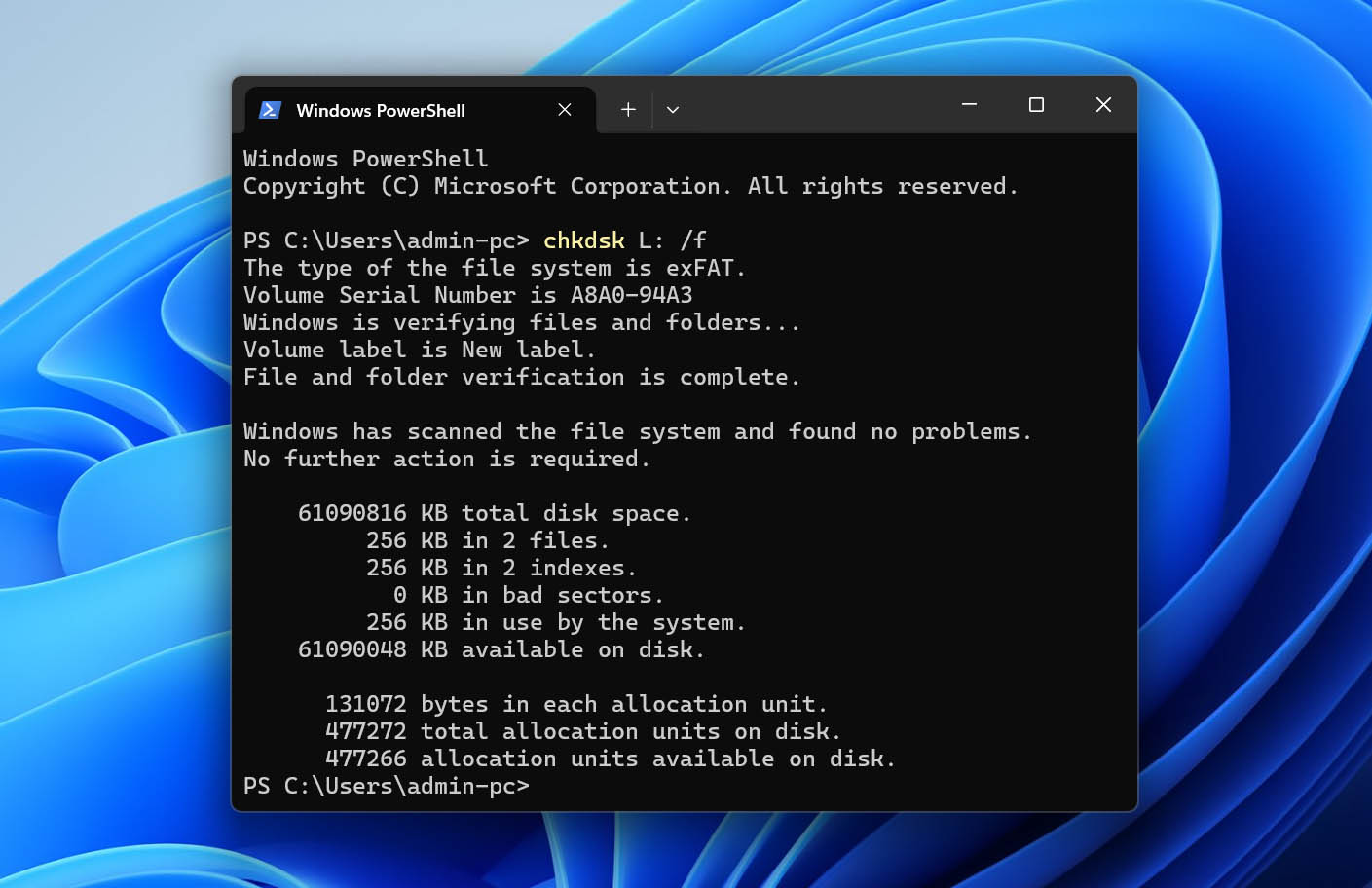
- After CHKDSK has finished, safely disconnect the microSD card, reinsert it into your GoPro, and turn the camera on to see if the SD card error has been resolved.
Don’t run CHKDSK in repair mode if the microSD card repeatedly disconnects, reports the wrong capacity, can’t be read consistently, or has visible physical damage. If Windows reports the card as RAW and you still need the files stored on it, recover or image the card before attempting repair or formatting.
Step 6. Format the microSD Card in Your GoPro
Last but certainly not least, you might need to format your microSD card if the previous steps haven’t resolved your GoPro SD card error. Only do this after you’ve checked the card’s compatibility, completed the basic troubleshooting steps, and recovered or backed up any important footage. Formatting deletes the media stored on the card.
If your GoPro still recognizes the microSD card, it’s best to format it directly in the camera. The exact menu can vary between models, but on current GoPro cameras, you can typically do this through Dashboard > Preferences > Reset > Format SD Card, or the equivalent formatting option for your model. Confirm the operation and allow the camera to finish formatting the card.
Once formatting is complete, make a short recording at a relatively low resolution and frame rate. If that works, test the card again using a high-resolution and high-frame-rate mode supported by your camera. If the card works at lower settings but SD ERR returns during the more demanding recording test, it may not be able to maintain the required write performance. In that case, replace it with a higher-performance card from GoPro’s recommended list.
If SD ERR continues with a known-good recommended microSD card even after formatting and updating the camera firmware, the problem may be with the GoPro itself rather than the card.
If the Camera Shows NO SD and Cannot Format the Card
If your GoPro displays NO SD and doesn’t recognize the card well enough to format it, remove the microSD card and connect it directly to a computer through a card reader. Again, only proceed after any important data has been recovered or backed up.
Reformat the microSD card on the computer if necessary to make it readable by the GoPro, then safely eject it and insert it back into the camera. If the GoPro now recognizes the card, format it once more in-camera where possible so the camera can prepare it for normal recording.
If NO SD remains after computer formatting, test a known-good compatible microSD card. If multiple compatible cards aren’t detected, the problem may be with the camera or its card slot rather than the cards themselves.
When to Replace the GoPro microSD Card
Sometimes, fixing the file system or formatting the microSD card only solves the problem temporarily. Formatting can correct certain logical file-system issues, but it can’t repair failing flash memory or a damaged controller inside the card.
Consider replacing your GoPro microSD card if:
- SD ERR repeatedly returns even after the card has been properly formatted.
- Recording fails at higher resolutions or frame rates, particularly when a GoPro-recommended card works correctly at the same settings.
- Another compatible card works normally in the same GoPro, which points to the original card as the likely problem.
- Read or write errors continue on a computer after you’ve ruled out the card reader or connection.
- The card repeatedly disconnects or becomes inaccessible during use.
- There’s visible physical damage to the card or its contacts.
- The card reports the wrong capacity on a computer or can’t be read consistently.
- The card has become unreliable after extensive use. Flash memory wears over time, so a card that once worked normally may eventually start producing errors.
GoPro also notes that memory cards can degrade over time and recommends trying a replacement card when problems persist. If your current card works again only temporarily after formatting or reinsertion, don’t rely on it for important footage.
Before replacing the card, copy or recover any photos and videos you still need while they remain accessible. Then switch to a compatible card from GoPro’s current recommended list rather than continuing to record important footage to a microSD card that has already shown signs of failure.
Frequently Asked Questions
Why is my GoPro not detecting the SD card?
There are several possible reasons why your GoPro isn’t detecting your SD card. These include incompatibility of the SD card with your specific GoPro model, an incorrectly inserted card, physical damage to the card, or issues with the GoPro firmware.
Why does my GoPro says the SD card is full but there is nothing on it?
This issue often arises from hidden files or a corrupt file system on your SD card. Running an error-checking tool or formatting your SD card (after backing up any important data) can typically resolve this issue.
Why does GoPro show an error and turns off?
Your GoPro may display an error and turn off due to various reasons, including a low battery, overheating, issues with the memory card, or firmware problems.
What is the best memory card for GoPro?
The best memory card for GoPro depends on your specific camera model. That’s why you should always consult the official recommended SD cards for GoPro page.
Conclusion
GoPro SD card errors can have very different causes, so start with the exact error or symptom you’re seeing rather than jumping straight to formatting. Check whether the microSD card is compatible with your GoPro, inspect its physical condition and insertion, and make sure the camera firmware is up to date.
If important footage is inaccessible, recover it before running CHKDSK or formatting the card. A standard scan can handle many common data-loss situations, while Advanced Camera Recovery is worth using when GoPro footage is fragmented or ordinary recovery leaves you with videos that won’t play.
Once your files are safe, use CHKDSK only for appropriate logical file-system problems. If the issue continues, formatting the microSD card in the GoPro should be your final logical fix. Should the error return after that, test another card from GoPro’s recommended list. An unreliable or physically damaged microSD card is better replaced than trusted with another important recording.

David Morelo is a professional content writer with a specialization in data recovery. He spends his days helping users from around the world recover from data loss and address the numerous issues associated with it.
When not writing about data recovery techniques and solutions, he enjoys tinkering with new technology, working on personal projects, exploring the world on his bike, and, above all else, spending time with his family.
- Klennet Recovery Review (Formerly Zero Assumption Recovery)
- iBeesoft Data Recovery Review – A Likable Clone With Limited Features
- DMDE Review – A Data Recovery Powerhouse or a Usability Nightmare?
- Cisdem Data Recovery for Mac Review – A Clone in Disguise
- Tenorshare 4DDiG Review – All That Glitters Is Not Gold
- Frisco, Texas, United States
Yevgeniy Tolkunov is Hardware Engineer at ACE Data Recovery. Yevgeniy has a Master's Degree in Physics, Information Technology; 15+ years of experience.